
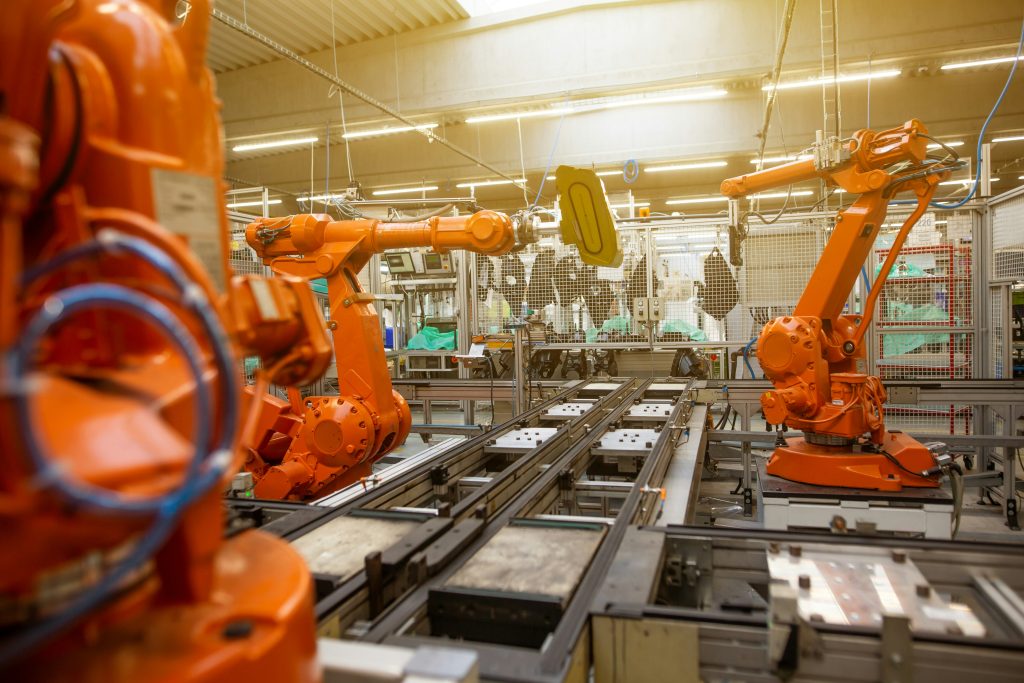
RPA matters, but AI changes how automation works
AI News is part of the TechForge Publications series RPA (robotic process automation) is a practical and proven way to reduce manual work in business processes without AI systems.

By using software bots to follow fixed rules, companies can automate repetitive tasks like data entry and invoice processing, and to a certain extent, report generation.
Adoption grew quickly in many sectors, especially in finance, operations, and customer support.
In recent years the technology has matured.
While RPA is still used, business processes can become more complex.
Many systems handle unstructured data, like messages and documents.
Rule-based automation struggles to handle these inputs, since it depends on predefined steps and structured formats.
RPA works best in stable environments where processes do not change often.

When conditions change or inputs vary, bots can fail or need updating, adding maintenance overhead and reducing the value of automation over time.
Gartner has pointed to more adaptive automation systems on the market, designed to handle variation and uncertainty, combining automation with machine learning or language models, allowing them to process a broader set of inputs.
AI has changed how companies think about automation, as systems from vendors already known in the RPA space, like Appian and Blue Prism , can now interpret context and adjust their activities, especially relevant for tasks that involve text or images.
Large language models’ ability to summarise documents and extract important details, and respond to queries in natural language offers automation in areas previously difficult to manage.
McKinsey & Company research suggests generative AI could automate decision-making and communication work tasks, not routine data handling.
The change does not replace automation, but rather modifies it.
Rather than building chains of rules, businesses could use AI to handle variations in input media.


