The Sony Afeela Was Doomed to Fail
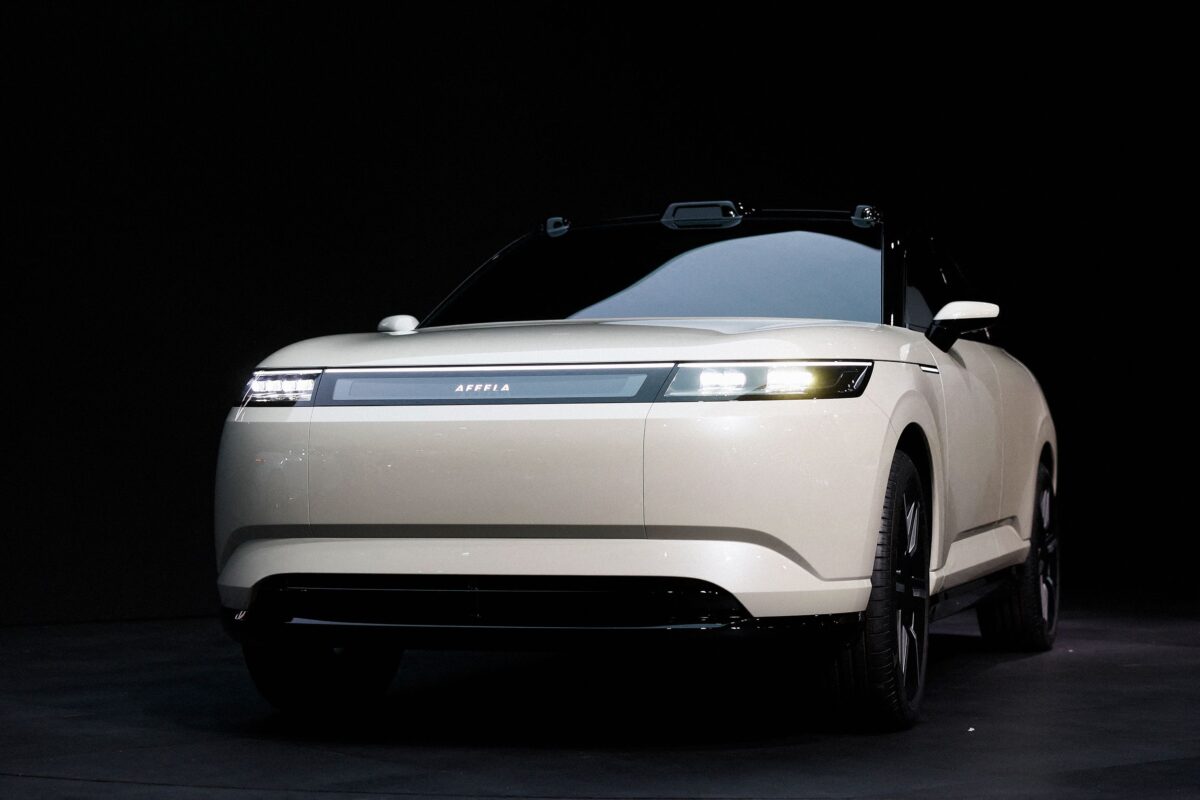
Photograph: CAROLINE BREHMAN/Getty Images Save this story Save this story Sony-Honda is no longer Afeelin’ it.

This week, the Japanese joint venture that for years had promised to bring a video-game sensibility to a digital-first electric car was abruptly canceled .
The two companies snuffed out one vehicle, the Afeela 1 , that was first announced three years ago, and also halted work on another model under development.
Sony Honda Mobility (SHM) pinned the blame on Honda’s larger EV pivot.
Earlier this month, the automaker canceled its “0 Series” lineup of electric vehicles after posting a $15.7 billion loss amid bigger changes in the global EV market .
Because of those shifts, the joint venture wrote in a press release, “SHM will not be able to utilize certain technologies and assets that were originally planned to be provided by Honda.” Reservation holders will get full refunds, the company said, and "discussions" about the future of the Sony-Honda partnership “will continue.” So the PlayStation-first car of everyone’s dreams may still be far ahead on the horizon, maybe.
The Afeela, though, was a weird fit from the start.
Let’s put aside the odd name and its cornucopia of associated pun opportunities.
(We will accept late-breaking submissions in the comments.) For one thing, the Afeela 1’s release was interminable.
Sony first announced its precursor, then called the Vision-S, back in 2020.
The Afeela itself was the star of the Sony-Honda show at CES four consecutive times.
A “near production” refined prototype made an appearance in Las Vegas just this past January .
But by then, the whole concept felt a bit stale.
A “computer on wheels” was sort of novel in 2020; now, a “software-defined vehicle” is the assumed starting point for every new car.
Photograph: Tristan deBrauwere The vehicle’s specs, once announced in 2025, didn’t do the brand any favors.